
The Champions League T20 was once cricket’s most ambitious attempt to unite top T20 clubs from around the world in a single tournament. First held in 2009, it featured domestic champions from India, Australia, South Africa, and other major cricketing nations. After being discontinued in 2014 due to declining viewership and commercial challenges, the league is now making a return. Backed by major cricket boards and the ICC, the tournament is being reimagined to fit today’s global T20 ecosystem. Its revival marks more than just a comeback – it signals a new direction in franchise cricket.
What is Champions League T20?
The Champions League T20, often referred to as CLT20, was an international cricket tournament featuring top domestic T20 teams from around the world. It featured clubs from leagues such as the IPL and the Big Bash League, among others, bringing them together in one competition to determine the best T20 franchise globally. Launched in 2009 and backed by the BCCI, Cricket Australia, and Cricket South Africa, the tournament aimed to replicate the success of football’s UEFA Champions League. Unlike international ICC events, CLT20 focused on club-level cricket. It was last held in 2014 before being discontinued due to commercial challenges. Plans are now underway to bring it back in 2026 under a refreshed format with broader global backing.
The Original CLT20 (2009 to 2014): How It Started and Why It Ended
The Champions League T20 was introduced in 2009 through a partnership between the BCCI, Cricket Australia, and Cricket South Africa. It was designed as a global club tournament featuring top-performing domestic T20 teams from different countries. The goal was to bring international exposure to franchise teams and create a competition similar to the UEFA Champions League in football.
Key Details
- Held annually from 2009 to 2014
- Featured teams from India, Australia, South Africa, West Indies, New Zealand, and other full-member nations
- Most matches were played in India, with some editions hosted in South Africa
- Chennai Super Kings and Mumbai Indians were the most successful teams, winning two titles each
| Year | Host | Winner | Runner-up |
| 2009 | India | New South Wales | Trinidad & Tobago |
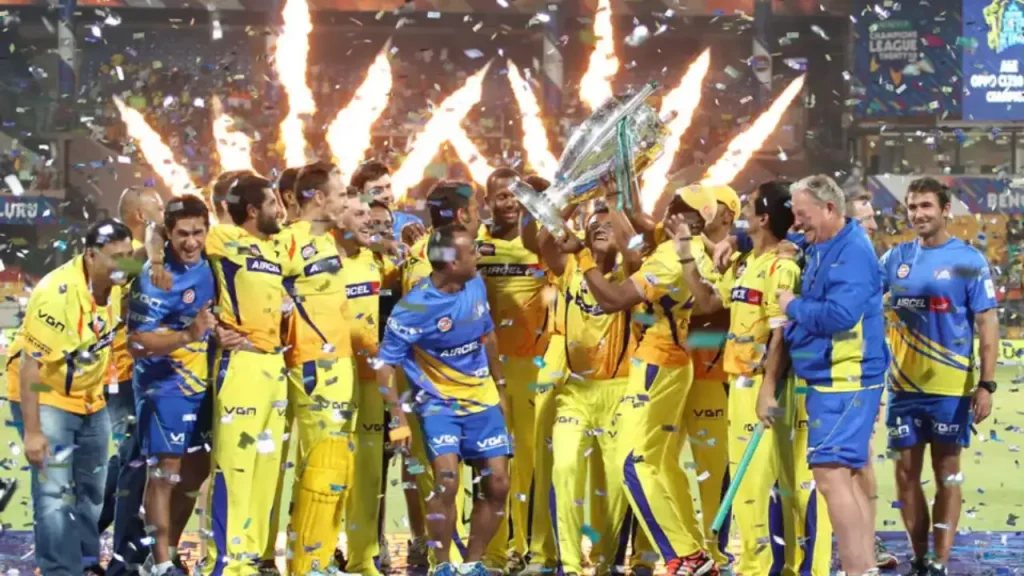
| 2010 | South Africa | Chennai Super Kings | Warriors |
| 2011 | India | Mumbai Indians | Royal Challengers Bangalore |
| 2012 | South Africa | Sydney Sixers | Highveld Lions |
| 2013 | India | Mumbai Indians | Rajasthan Royals |
| 2014 | India | Chennai Super Kings | Kolkata Knight Riders |
Why It Ended:
The tournament was discontinued due to a combination of commercial and structural challenges.
- Crowded international and domestic schedules made player availability inconsistent
- Fan interest was heavily skewed toward IPL teams, limiting global engagement
- Viewership numbers outside India remained low
- Broadcasters and sponsors struggled to recover investments
In 2015, the tournament was officially scrapped by its organizing boards.
CLT20 2026 Reboot: What’s Official and What’s Changing
The Champions League T20 is set to return in 2026 with a revised structure and a possible new name, the World Club Championship. The revival has been officially approved by the ICC during its 2024 Annual Conference in Singapore and is backed by the BCCI, ECB, Cricket Australia, and Cricket South Africa.
The first edition of the rebooted tournament is expected to begin around September 2026. While the core idea remains the same, top T20 clubs from leading leagues competing on a global stage, key changes are being made to address earlier shortcomings.
What’s Changing:
- A refreshed tournament name and branding
- A more balanced selection of teams across leagues
- Adjustments in scheduling to avoid clashes with international cricket
- Tighter commercial planning and shared broadcast rights among boards
The new format is being positioned as a global showcase for franchise cricket, with an emphasis on competitive balance, broader international appeal, and sustainable viewership.
Format of the New Champions League T20:
The revamped Champions League T20, expected to launch in 2026, will follow a structure similar to the original tournament but with important refinements aimed at improving competitiveness, scheduling, and viewer interest.
Core Format Structure:
- Number of Teams: Likely between 8 to 12
- Qualification: Top-performing franchises from major domestic T20 leagues
- Leagues Involved (tentative):
- Indian Premier League (India)
- Big Bash League (Australia)
- Pakistan Super League (Pakistan)
- SA20 (South Africa)
- The Hundred (England)
- Caribbean Premier League and others may also be considered
- Group Stage: Teams split into two or more groups, each playing round-robin matches
- Knockouts: Top teams from each group advance to the semi-finals, followed by a final
The tournament is expected to be held over a three to four-week window, scheduled around the global cricket calendar to minimize conflicts with international and domestic fixtures.
Unlike the earlier version, more attention is being given to fair representation across leagues, ensuring the tournament feels global rather than heavily tilted toward any one region. The goal is to create a club-level competition that is both commercially viable and widely competitive.
Which Teams Will Play in CLT20 2026?
The Champions League T20 2026 will feature top-performing franchise teams from leading T20 leagues around the world. While the official team list is yet to be confirmed, participation will be based on performance in domestic T20 tournaments held in the 2026 cycle.
Likely Leagues Involved:
- Indian Premier League (IPL) – India
- Big Bash League (BBL) – Australia
- Pakistan Super League (PSL) – Pakistan
- SA20 – South Africa
- The Hundred (Men’s) – England
- Caribbean Premier League (CPL) – West Indies
- ILT20 – United Arab Emirates
Possible Team Selection Criteria:
- Champions and runners-up from each league
- One or two clubs per league, depending on final format
- Wildcard entries may be considered for markets like the UAE or associate nations if commercially viable
While IPL teams such as Chennai Super Kings, Mumbai Indians, and Kolkata Knight Riders are expected to feature, several other franchises with strong global presence, like Sydney Sixers, Lahore Qalandars, and Oval Invincibles, are likely contenders.
Past Champions: CLT20 Winners List (2009–2014)
The Champions League T20 was held for six editions between 2009 and 2014. Each season brought together top domestic T20 teams from different cricketing nations, with IPL franchises dominating most editions. Below is the complete winners list:
Champions League T20 Winners Table:
| Year | Winner | Runner-Up | Host Country |
| 2009 | New South Wales Blues | Trinidad & Tobago | India |
| 2010 | Chennai Super Kings | Warriors | South Africa |
| 2011 | Mumbai Indians | Royal Challengers Bangalore | India |
| 2012 | Sydney Sixers | Highveld Lions | South Africa |
| 2013 | Mumbai Indians | Rajasthan Royals | India |
| 2014 | Chennai Super Kings | Kolkata Knight Riders | India |
Broadcast, Streaming, and Sponsorship Plans for CLT20 2026:
With its global relaunch planned for 2026, the Champions League T20 is expected to attract strong interest from broadcasters, digital platforms, and commercial sponsors. While official media rights deals have not yet been announced, early indicators suggest the tournament will aim for broad international coverage and a digitally focused streaming model.
Broadcasting and Streaming Outlook:
- Broadcast rights are likely to be split among regional networks, similar to ICC events.
- In India, platforms such as Star Sports, Viacom18, or JioCinema are potential frontrunners.
- Global streaming options may include ICC.tv, YouTube, or league-specific partner platforms.
- Digital-first distribution is expected to play a larger role than in the tournament’s previous era.
Sponsorship and Commercial Backing:
- Leading franchises with strong brand value are expected to bring in multi-brand partnerships.
- Sponsorship interest from sectors like telecom, fintech, e-commerce, and travel is anticipated.
- Discussions are ongoing around central sponsorship pools managed by the tournament authority.
- Early reports have also hinted at possible involvement from Middle East–based investors or strategic partners seeking exposure through global T20 events.
The 2026 edition is being designed to succeed commercially where the original CLT20 struggled. A clear revenue-sharing model, cross-platform visibility, and strong local league branding are likely to be key components of the tournament’s commercial strategy.
Franchise and Player Conflicts: Who Plays for Whom?
One of the most complex challenges in the 2026 Champions League T20 revival revolves around player allegiance. With many top players now representing multiple teams across different leagues, determining which franchise they will play for poses both legal and logistical issues.
The Root of the Conflict:
In modern franchise cricket, it’s common for a single corporate group to own teams in multiple leagues. For example:
| Ownership Group | Teams Owned |
| Indiawin Sports (Reliance) | Mumbai Indians (IPL), MI Cape Town (SA20), MI Emirates (ILT20) |
| Knight Riders Group | Kolkata Knight Riders (IPL), Abu Dhabi Knight Riders (ILT20), Trinbago Knight Riders (CPL) |
| Delhi Capitals Stakeholders | Delhi Capitals (IPL), Pretoria Capitals (SA20), Dubai Capitals (ILT20) |
When a player like Kieron Pollard or Andre Russell plays for multiple franchises under the same umbrella, deciding which team he represents in CLT20 becomes complicated, especially if more than one of those teams qualifies.
Possible Scenarios in 2026:
- A player may opt for the franchise where he has the longest contract or highest pay
- ICC or CLT20 organizers could enforce a “primary league affiliation” rule
- If both franchises under one owner qualify, only one may be allowed to participate
- Players might be allowed to choose, but this could lead to contractual disputes
Why This Matters:
- It affects team selection and squad strength
- Impacts fan expectations and brand loyalty
- Could lead to legal arbitration between franchises and leagues if not addressed early
Will CLT20 2026 Replace Test Cricket Windows?
The Champions League T20 2026 is expected to take place during a period traditionally reserved for some bilateral Test series. While it won’t officially replace Test cricket on the calendar, its scheduling may force boards to reduce or reschedule red-ball fixtures to accommodate player availability.
With growing commercial focus on franchise leagues, the tournament reflects a broader shift in cricket’s priorities. Test cricket may not be removed entirely, but it is likely to face further marginalisation as global T20 events continue to expand.
Cricket’s global expansion has also influenced the way fans interact with the sport online. With tournaments like the Champions League T20 bringing together top franchise teams from leagues such as the IPL and BBL, the fan ecosystem has become more digital and interactive than ever. CLT20 coverage and updates highlight how international club competitions continue to attract massive online audiences. Alongside match analysis, schedules, and team discussions, many cricket enthusiasts also explore technology-driven platforms that enhance the viewing experience, including discussions around Indian Betting Exchange Apps, which are widely mentioned in online communities that analyze odds, match statistics, and fan engagement trends around major cricket events.
CLT20 vs Other Global Tournaments:
| Feature | Champions League T20 (CLT20) | ICC T20 World Cup / ICC Events |
| Type of Teams | Franchise/Club teams | National teams |
| Organizers | BCCI, CA, CSA, ICC (2026 revival) | International Cricket Council (ICC) |
| Player Representation | Players may represent different franchises | Players represent their country |
| Qualification | Based on performance in domestic T20 leagues | Based on ICC rankings and regional qualifiers |
| Team Ownership | Privately or corporately owned franchises | National cricket boards |
| Conflict of Interest | Possible due to overlapping franchises | None (players play for one country) |
| Global Reach | Depends on league popularity and broadcasters | Backed by ICC global distribution |
| Tournament Format | Group stage + knockouts | Group stage + Super 12 + knockouts |
| Fan Loyalty | Franchise-based, league-oriented | National pride and country-based support |
| Commercial Value | High in India and select markets | Globally strong, especially in World Cups |
CLT20 complements rather than competes with ICC events, offering a club-versus-club format that taps into the growing global franchise ecosystem.
Champions League T20 Records and Statistics:
The Champions League T20 (2009–2014) featured some of the top performances in franchise T20 cricket. Here’s a look at the tournament’s most notable records and achievements.
Tournament Records:
| Record | Player/Team | Value |
| Most Titles (Teams) | Mumbai Indians, Chennai Super Kings | 2 each |
| Most Runs (Player) | Suresh Raina | 973 runs |
| Most Wickets (Player) | Sunil Narine | 39 wickets |
| Highest Team Total | Mumbai Indians vs Lions (2013) | 202/6 |
| Best Bowling Figures | Ravi Rampaul (Trinidad & Tobago) | 5/2 |
| Most Sixes (Career) | Kieron Pollard | 32 sixes |
| Most Appearances (Player) | Suresh Raina | 20 matches |
Individual Milestones:
- Centuries Scored: 4 centuries were scored across all editions.
- Five-Wicket Hauls: Achieved by 3 bowlers.
- Hat-Tricks: Only 1 hat-trick was recorded during the tournament’s history.
Team Performance Summary:
| Team | Titles Won | Runner-Up | Years Qualified |
| Mumbai Indians | 2 | 0 | 5 |
| Chennai Super Kings | 2 | 0 | 5 |
| Sydney Sixers | 1 | 0 | 1 |
| New South Wales Blues | 1 | 0 | 2 |
| Royal Challengers Bangalore | 0 | 1 | 3 |
| Kolkata Knight Riders | 0 | 1 | 3 |
| Rajasthan Royals | 0 | 1 | 1 |
These figures capture the dominance of Indian and Australian franchises in the tournament and underline the role CLT20 played in developing franchise cricket globally.
Future of CLT20 – One Off Event or Permanent Fixture?
While the 2026 edition of the Champions League T20 is confirmed, there’s no official word yet on whether it will return annually. The ICC and participating boards are treating it as a pilot to gauge fan response, commercial performance, and scheduling feasibility.
If the tournament succeeds, it could become a regular fixture in the global calendar. However, its long-term future will depend on balancing player workload, broadcaster interest, and the crowded T20 league ecosystem.
CLT20.in provides comprehensive coverage of the Champions League T20, including its history, teams, schedules, and the much-anticipated 2026 revival, making it a key platform for fans following global franchise cricket competitions . Similarly, cclcricket.com focuses on cricket-related services and online engagement options, and together both platforms appeal to users interested in cricket updates and digital access services like a CCL Cricket ID account, enhancing the overall fan experience.
FAQs:
A name change is expected. “World Club Championship” is one of the names under discussion, with final branding to be confirmed by the ICC and partner boards.
The full match schedule is likely to be announced by mid-2026, once domestic leagues finish and participating teams are confirmed.
Only teams from leading full-member T20 leagues are expected in the initial edition. Inclusion of associate nations has not been proposed so far.
The tournament will be jointly coordinated by the ICC, along with key national boards such as the BCCI, ECB, Cricket Australia, and Cricket South Africa.
Most likely not. If two teams owned by the same group qualify from different leagues, only one will be allowed to participate to avoid overlap.
Not at this stage. A women’s version hasn’t been announced, though it may be considered in the future based on the growth of women’s T20 leagues.
The competition is expected to last three to four weeks, fitting into a window between the end of major T20 leagues and before international tours resume.
The host country hasn’t been finalized. India is the most likely venue due to infrastructure and market size, but neutral venues may be considered in future editions.
Player availability will depend on national board approvals and international schedules. Franchise commitments are expected to take priority during this window.
Yes, a central prize pool will be shared among participating teams. Details on total prize money have not yet been announced but are expected to be competitive with other major franchise tournaments.
Final Thoughts:
The return of the Champions League T20 marks a significant shift in the direction of modern cricket. By reviving a tournament that brings together top-performing franchise teams from around the world, the cricketing landscape is moving further toward a global, club-driven model.
Whether it becomes a recurring fixture or remains a one-time showcase, the 2026 edition will test how well cricket can balance commercial growth with international commitments. What’s clear is that fans are set to witness a new era where the best of franchise cricket competes on one stage.